Ditapis dengan
Ditemukan 1 dari pencarian Anda melalui kata kunci: author="John Bale"
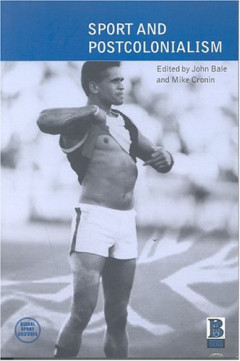
Sport and Postcolonialsm
Compared with modes of representation such as literature, drama, poetry and dance, the world of sport has been largely neglected in postcolonial studies. At both local and global levels, however, sport has been profoundly affected by the colonial legacy. How are individual nations and different sporting cultures coping with this legacy? What does the end of colonialism mean within particular st…
- Edisi
- -
- ISBN/ISSN
- 9781845205720
- Deskripsi Fisik
- -
- Judul Seri
- -
- No. Panggil
- -
 Karya Umum
  Filsafat
  Agama
Agama  Ilmu-ilmu Sosial
  Bahasa
  Ilmu-ilmu Murni
  Ilmu-ilmu Terapan
  Kesenian, Hiburan, dan Olahraga
  Kesusastraan
  Geografi dan Sejarah